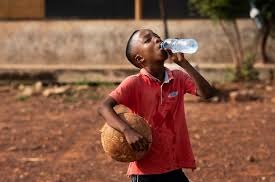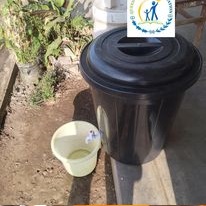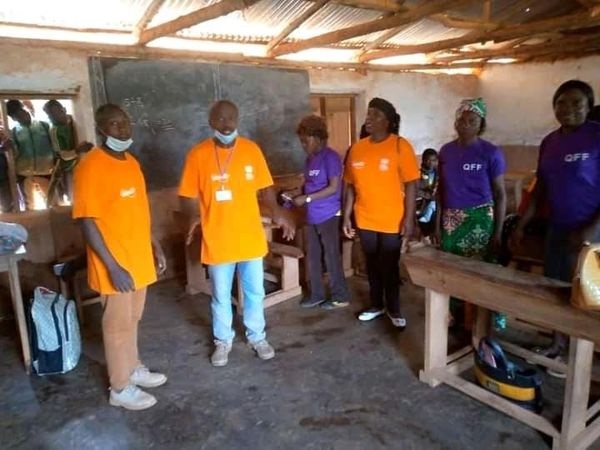
QFF implements community-based WASH programs that emphasize both infrastructure development and education. We work closely with local communities to identify their specific needs and priorities, facilitating the construction of boreholes, wells, and sanitation facilities. In parallel, we provide training on the importance of hygiene practices, such as handwashing and safe water storage. By raising awareness and fostering good hygiene habits, we empower communities to take charge of their health and create sustainable practices that prevent the spread of waterborne diseases.
Moreover, we place a strong emphasis on inclusivity, ensuring that marginalized groups—especially women and
children—have access to WASH services. Women and girls often bear the burden of fetching water and managing
household sanitation, which can restrict their opportunities for education and employment. QFF advocates for
gender-sensitive approaches in WASH initiatives, creating facilities that are safe, private, and accessible.
By involving women in the planning and implementation of WASH projects, we ensure that their voices are heard
and their specific needs are met.